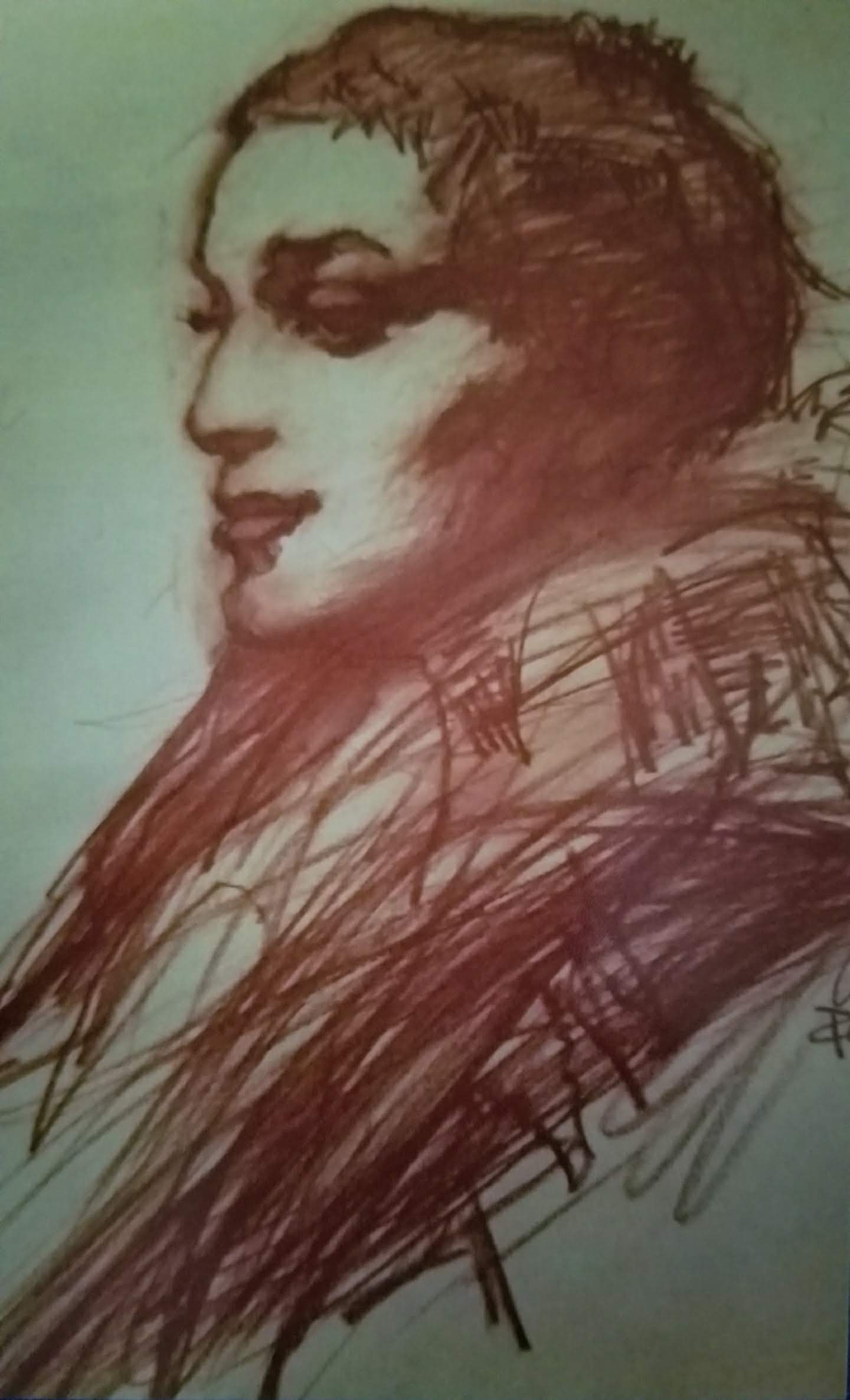
It is as if a bandaid on a wound that I didn’t even know I had has been ripped off, and I’m bleeding profusely, only to be shocked that this wound, this damage to my soul, has been caused by the very country that I’ve trusted and loved. And because of the depth of this assault on my intellect and heart, I struggle to find the articulation to explain the damage.
It feels as though a long-hidden wound has suddenly been exposed, one that I never fully understood until now. The pain of its revelation, inflicted by a nation that I trusted and loved, is profound. Yet in acknowledging this deep hurt, I am also beginning a journey toward understanding, healing and empowerment.
I am overwhelmed by a deep, generational infliction and a resolve that has built over years of personal and collective struggle. At its core, my reaction is not solely about the banning of books, but a response to the long-overlooked erasure of a heritage that I, as a biracial woman, now embrace as an essential part of who I am. I feel the weight of an ancestry that was once hidden from me, initially by my loved ones and later by a society whose narratives were incomplete. Today, I am reclaiming this heritage with an interest, awareness, pride and determination.
Through my journey of self-education—immersing myself in the inspiring works of Farah Jasmine Griffin, James Baldwin, Nella Larsen, Phyllis Wheatley, Malcolm X, and many others, I have discovered and fallen in love with the immense richness of my cultural legacy. This awakening fills me with a profound mix of pride and heartfelt sorrow. While I grieve the missed connections and the systematic suppression of voices that have shaped the narrative of my people, I also celebrate the resilience and beauty that continue to shine through their stories.
I hold deep respect and gratitude for my family, who raised me with love and care, even as they navigated their own limited understanding of my black ancestral history as well as their own. I recognize that their unawareness was not a personal failing but a reflection of a systemic racism that, for generations, has constrained historical knowledge and hindered the full acceptance of Black culture and minority narratives. Their struggle to guide me toward a fuller awareness of my rich heritage reflects broader societal forces, and it inspires me to expand this narrative today.
The absence of guidance and truth during my formative years intensified my feelings of isolation as a mixed-race child in an all-white family. Even amid love and protection, I often questioned why I was different and yearned for someone to help me navigate the complexities of my identity. Now, as an adult, I am beginning to understand and give voice to the emotions of my younger self, transforming that vulnerability into strength and insight.
While this gap in understanding has recently left me exposed to the toxic forces of bigotry and ignorance in our modern political discourse, it has also fueled my determination to educate myself, connect, and uplift marginalized voices. Standing at a crossroads, I feel a call for understanding and connection that transcends personal suffering. I am not alone in this journey; countless voices from minority communities of Women, People of Color, Hispanic immigrants, Native and Indigenous communities, and the LGBTQ community, resonate with this shared experience of struggle and triumph.
Recent political developments have made this struggle deeply personal, igniting in me a fierce determination to honor and reclaim the narratives that have been systematically erased. In sharing this essay, my aim is not only to understand and articulate my own journey of pain and growth but also to extend a hand of solidarity to anyone who feels isolated or overwhelmed. My ancestral story is one of both loss and resilience, a testament to a heritage that continues to thrive despite adversity. As I navigate the complexities of grief and identity, I remain devoted to honoring my ancestors’ voices and forging a future where every story is heard, every heritage is celebrated, and every individual is recognized for the rich tapestry of experiences they embody.
My current suggestions of must reads:
- Giovanni’s Room – James Balwin
- Sonny’s Blues – James Baldwin
- Go Tell it on the Mountain – James Baldwin
- Read until you understand – Farah Jasmine Griffin
- The Barn: The Secret History of a Murder in Mississippi – Wright Thompson
- Black Birds in the Sky: The Story and Legacy of the 1921 Tulsa Race Massacre – Brandy Colbert
- Sam is my Sister – Ashley Rhodes -Courter
- Not Quite Narwhal- Jessica Sima

SPOTIFY also has a wonderful collection of audiobooks available free with a premier account.
 Thru soulful eyes